Basement Renovations Auckland: The Complete Waterproofing & Remodelling Guide (2026)
When it comes to basement renovations in Auckland, waterproofing is the first and most important step because every other part of the project depends on it. If the basement is not properly sealed against moisture and groundwater, issues like mould, damp smells, peeling paint, swollen skirtings and damaged flooring will eventually ruin even the best‑finished space. Effective basement waterproofing protects the structure, helps prevent long‑term structural damage from ongoing leaks or hydrostatic pressure, and creates a dry, healthy environment that is actually suitable for living or storage. By investing in waterproofing at the start of your basement renovation, you safeguard your renovation budget, extend the life of your finishes and add real, lasting value to your Auckland home.
“When Auckland’s rains seep deep, let your basement stay dry—sealed and secure, where comfort and peace never say goodbye.”
— Auckland Waterproofing Experts
- Basement Renovations Auckland: The Complete Waterproofing & Remodelling Guide (2026)
- Why Basement Renovations Make Sense in Auckland
- How This Guide Works With Our Specialist Resources
- Before You Start: Assess Your Basement's Condition
- Understanding Auckland's Unique Below-Ground Challenges
- Building Consent and NZ Building Code Requirements
- Waterproofing Methods: An Overview
- Proven Materials for Auckland Basements
- The Basement Renovation Process: Step by Step
- Basement Renovation Costs in Auckland (2026)
- Long-Term Maintenance and Prevention
- Choosing the Right Waterproofing Contractor
- What to Look For
- Questions to Ask
- Frequently Asked Questions
- Ready to Start Your Basement Renovation?
Why Basement Renovations Make Sense in Auckland
Basement renovations are one of the smartest ways Auckland homeowners can unlock hidden living space without extending their property’s footprint. With section sizes shrinking across the city, converting an underused basement or below-grade garage into a bedroom, home office, media room, or self-contained unit delivers real value — both in daily lifestyle and at resale.
However, basement renovations in Auckland come with a non-negotiable requirement: professional waterproofing. Auckland’s subtropical climate, heavy rainfall (1,100–1,500 mm annually), high water tables, and reactive clay soils mean that any below-ground space is under constant moisture pressure. Skipping or under-specifying waterproofing during a basement remodel is the single most expensive mistake homeowners make — and the hidden costs of water damage can far exceed the renovation budget itself.
This is the most comprehensive guide to basement renovations in Auckland. It covers everything from recognising early warning signs and understanding the NZ Building Code, through to choosing the right materials, budgeting accurately, and selecting a qualified contractor.
Key Takeaways:
- Waterproofing is the foundation of every successful basement renovation
- Auckland’s climate and soil conditions create unique below-ground moisture challenges
- Combining exterior and interior waterproofing delivers the best long-term protection
- Building consent is required for most basement conversions in Auckland
- Professional installation by LBP-certified contractors protects your investment and ensures compliance
How This Guide Works With Our Specialist Resources
This cornerstone guide gives you the complete picture of basement renovations in Auckland. For deeper detail on specific topics, we’ve created specialist guides that go further into each area:
| Topic | Specialist Guide |
|---|---|
| Diagnosing early moisture problems | Early Signs Your Basement Is About to Leak |
| Garage dampness and musty smells | Musty Smell in Your Garage |
| Concrete floor moisture diagnosis | Water Seeping Through Your Concrete Floor |
| Below-ground tanking systems and standards | Below Ground Waterproofing and Tanking |
| Garage and combined basement+garage projects | Basement and Garage Waterproofing |
| Professional repair with Mapei products | Basement Wall Waterproofing with Mapei |
| Leaky basement repair solutions | Leaky Basement Solutions Auckland |
| The financial case for prevention | Hidden Costs of Water Damage |
Before You Start: Assess Your Basement’s Condition
Before committing budget to a basement renovation, the first step is assessing whether your below-ground space has existing moisture problems. Catching issues early saves thousands of dollars and prevents dangerous mould exposure.
Warning Signs to Watch For
Most basements don’t flood overnight. There are subtle signals that appear weeks or months before visible water — and our detailed diagnostic guide on early signs your basement is about to leak walks you through each one with professional assessment techniques. The key warnings include:
- Musty odours with no visible damp — persistent earthy smells indicate hidden mould activity behind wall linings or under carpet
- Cold patches or localised damp spots — cooler areas on lower walls indicate moisture migrating through from outside
- Efflorescence — white, chalky salt deposits are your basement’s distress signal showing active water movement through concrete
- Hairline cracks widening towards the base — especially on the downhill side, these show structural stress from water pressure
- Peeling paint or blistering finishes — proof that moisture has reached the interior surface
- Water stains, puddles, or seepage — the most obvious sign of waterproofing failure
- Rotting timbers or damaged carpet — prolonged moisture exposure degrading organic materials
Is your garage the problem area? Many Auckland homes have internal-access garages where dampness circulates into the house. Our guide on musty smell in your garage explains the common moisture pathways — from ground-facing block walls to slab moisture and condensation — and why dehumidifiers alone won’t solve the underlying problem.
Seeing water on your concrete floor? Before assuming the worst, diagnostic testing can identify whether it’s groundwater, a plumbing leak, or condensation. Our step-by-step guide on water seeping through your concrete floor includes three simple DIY tests you can run before calling a professional.

Understanding Auckland’s Unique Below-Ground Challenges
Auckland presents distinct challenges that make basement waterproofing both urgent and technically demanding.
Climate and Rainfall
Auckland receives 1,100–1,500 mm of rain annually. Frequent, heavy rainfall raises groundwater levels and creates sustained hydrostatic pressure against basement walls. During winter storms, this pressure intensifies dramatically, overwhelming inadequate waterproofing systems.
Soil Types and Drainage
Auckland sits on diverse soil types — from marine clays on the North Shore and parts of South Auckland to volcanic soils elsewhere. Clay-rich soils retain water rather than draining it, pressing moisture against foundations. Properties on slopes experience additional runoff pressure during heavy rain.
Ageing Building Stock
Many Auckland homes feature basements or below-grade garages built decades ago without modern subsoil drainage. Porous concrete block walls, blocked drainage pipes, and absent damp-proof courses are common — creating the perfect environment for water infiltration.
Urban Density
Auckland’s increasing density reduces natural drainage capacity. More hard surfaces (driveways, patios, neighbouring developments) direct additional stormwater towards foundations.
For the detailed engineering perspective on how water interacts with below-ground structures in Auckland, including tanking system specifications and compliance standards, see our guide to below ground waterproofing and tanking systems.
Building Consent and NZ Building Code Requirements
Do You Need Building Consent?
In most cases, yes. Auckland Council requires building consent for basement renovations involving:
- Structural changes (removing or altering walls, adding rooms)
- Significant plumbing or drainage alterations
- Creating new habitable rooms from non-habitable spaces
- Changes to the building envelope or weathertightness systems
- Any work affecting fire safety or structural integrity
Building consent fees in Auckland typically range from $2,000 to $10,000+ depending on project scope. Factor in engineering reports ($2,000–$5,000+) and council inspections when budgeting.
NZ Building Code Clause E2: External Moisture
Clause E2 requires all buildings to resist the penetration and accumulation of moisture from outside. Walls, floors, and structural elements in contact with the ground must not absorb moisture that could cause dampness or damage.
Important gap: The current E2/AS1 Acceptable Solution does not specifically address below-ground (basement) waterproofing — the section on basements was removed in the 2011 update. This means there is no dedicated NZ standard for residential basement waterproofing, making professional expertise critical.
Compliance Documentation
For your basement renovation, ensure:
- All waterproofing systems are BRANZ or CodeMark approved
- LBP (Licensed Building Practitioner) signoff is obtained
- Producer statements from engineers/architects are secured
- Full photographic documentation of waterproofing installation is kept
- Manufacturer warranties are in place
- A Code Compliance Certificate (CCC) is obtained upon completion
Waterproofing Methods: An Overview
Effective basement waterproofing typically combines exterior and interior approaches. The best method depends on your property’s conditions, budget, and whether exterior access is feasible. Here’s an overview — each method links to a detailed guide where applicable.
Exterior Waterproofing (Stop Water at the Source)
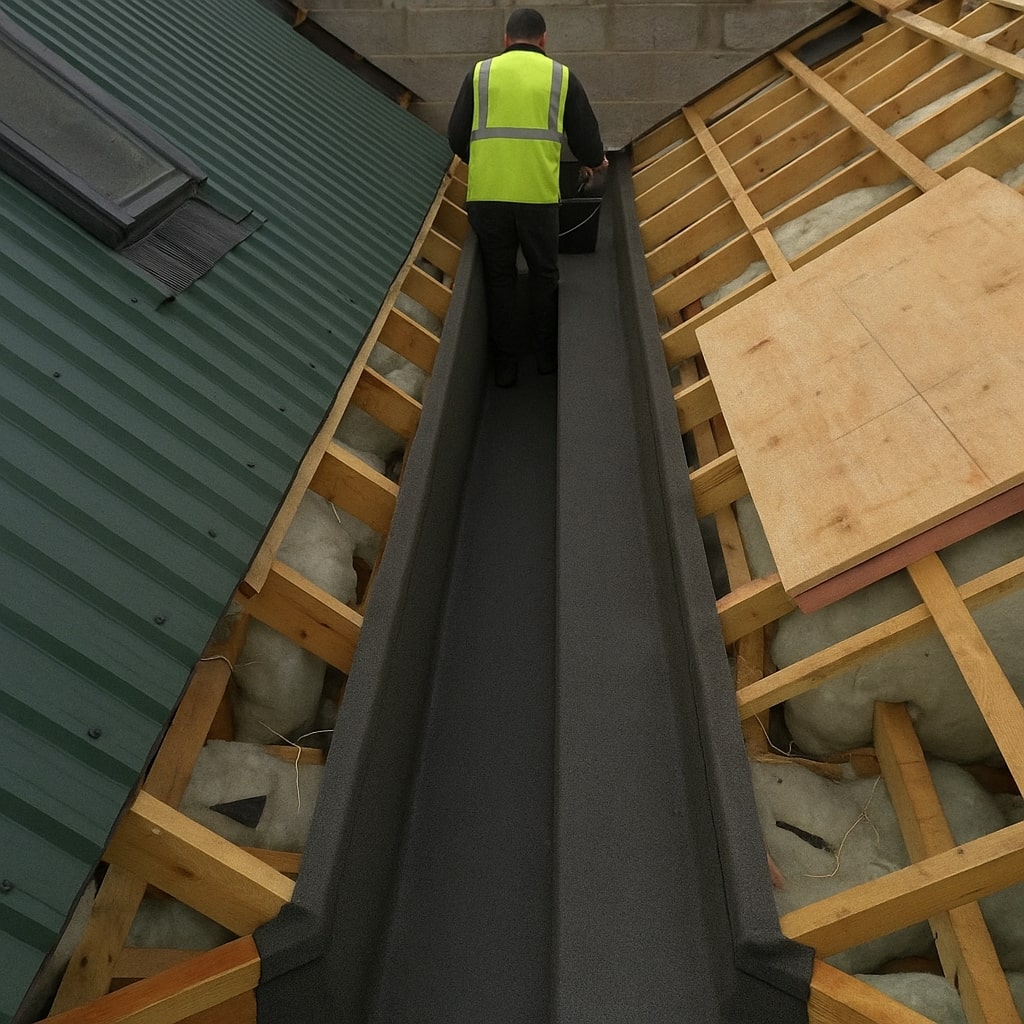
- Waterproof membranes — sheets or liquid-applied coatings on outer foundations prevent water penetration
- Drainage systems — French drains, perimeter tiles, and gravel beds redirect water away
- Tanking — complete enclosure with waterproof materials creates a sealed barrier → detailed tanking guide
Best for: New builds, major excavations, homes with frequent groundwater issues.
Interior Waterproofing (Manage Water That Enters)
- Crack injection — epoxy and polyurethane injections seal and bond cracks
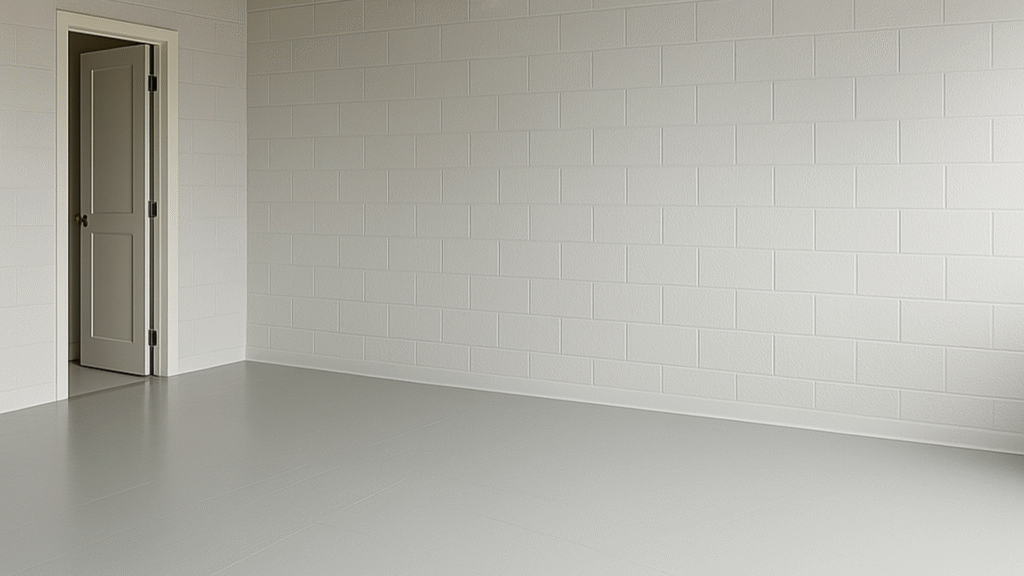
- Liquid-applied membranes — products like Mapei Planiseal MR and Ardex WPM300 provide seamless interior protection → step-by-step Mapei application guide
- Interior French drains & sump pumps — collect and remove water that enters
Best for: Finished basements, retrofits, properties where exterior excavation isn’t feasible.
Pro Tip: Interior methods mainly manage — not fully eliminate — water that has entered. Where possible, combine with exterior solutions for maximum protection.
For comprehensive coverage of all waterproofing options including combined basement and garage projects, see our basement and garage waterproofing guide.
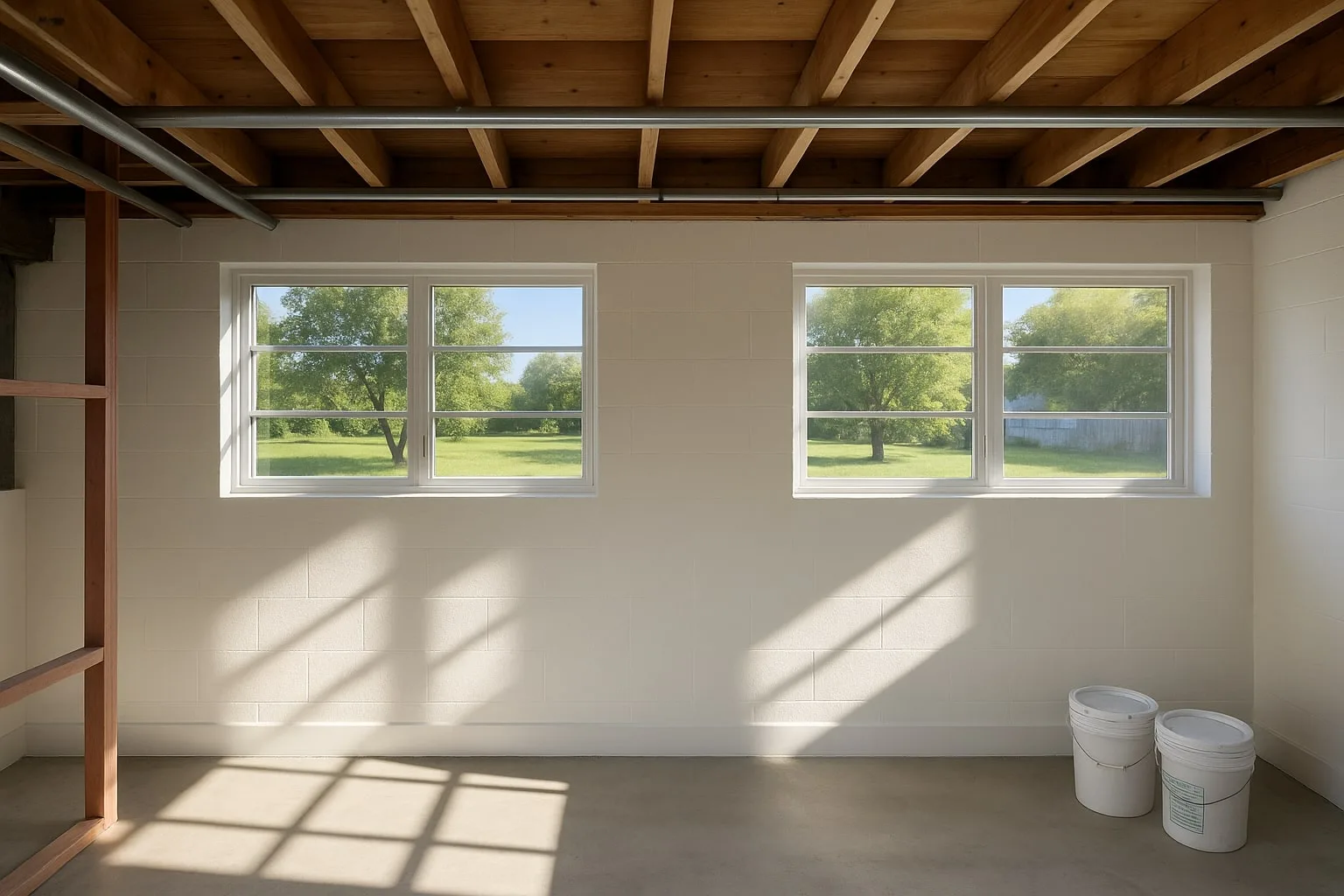
Basement block walls waterproofed with Ardex WPM300 Hydropoxy
Proven Materials for Auckland Basements
| System Type | Typical Use | Key Strength |
|---|---|---|
| Liquid-Applied Membranes (Ardex WPM300, Aquakem 101) | Interior/exterior complex details | Seamless, bonds to damp concrete |
| Cementitious Coatings (Mapei Planiseal MR) | Interior block/concrete retrofit | Cost-effective negative-side waterproofing |
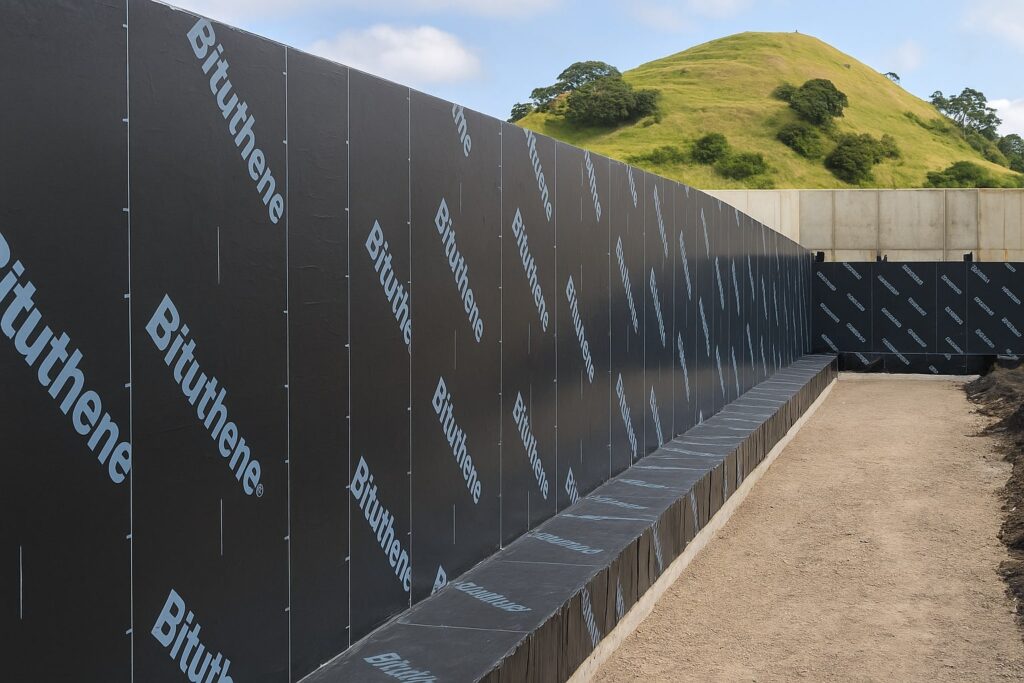
| Sheet Membranes (Bituthene 3000, Viking Peel n Stick, Nuraply 3PT) | Exterior tanking, under-slab | Robust hydrostatic resistance |
| Rapid-Set Hydraulic Binders (Mapei Lamposilex) | Active leak stopping | Sets in seconds, emergency repair |
| Cavity Drainage Systems | High water table retrofits | Manages moisture without excavation |
For detailed product specifications, application guides, and Mapei system walkthroughs, see our Mapei basement wall waterproofing guide.
Don’t skip this foundational step: Professional waterproofing protects your renovation investment, enhances air quality, and preserves your property’s value. Ready to begin your basement project? Start with a thorough inspection, and invest in long-term peace of mind.
The Basement Renovation Process: Step by Step
1. Professional Assessment
- Survey water table, drainage, soil type, and ground movement risks
- Identify cracks, structural defects, and moisture sources using the diagnostic methods in our concrete floor moisture guide
- Document conditions with photographs
2. Design and Consent
- Engage an architect or designer for the renovation layout
- Commission engineering reports (structural, geotechnical as needed)
- Apply for Auckland Council building consent
- Specify waterproofing systems in the consented plans
3. Surface Preparation
- Excavate exterior walls (if external waterproofing is included)
- Clean, repair, and prime all surfaces — remove old paint, oil, and loose material
- Address mould growth with appropriate cleaning
- Install or check subsoil drainage systems
4. Waterproofing Installation
- Stop active leaks with rapid-setting products (e.g., Mapei Lamposilex)
- Treat all joints, penetrations, and construction joints with flashing and reinforcement tape
- Apply membrane systems — multiple coats as specified by manufacturer
- Ensure full coverage at corners, pipe entries, and weak points
- Observe specified cure times before proceeding
5. Inspection and Testing
- Check for coverage gaps, wrinkles, or weak seams
- Flood-test where required
- Document with photographs for council and warranty records
- Obtain council inspection signoff
6. Protection and Finishing
- Apply protection boards to prevent membrane damage
- Install insulation, wall linings, and flooring
- Use only neutral-cure adhesives — never nails, screws, or fasteners that penetrate the waterproof coating
- Complete electrical, plumbing, and fit-out
7. Final Certification
- Council final inspection and LBP signoff
- Obtain Code Compliance Certificate (CCC)
- Secure manufacturer’s warranty documentation

Basement Renovation Costs in Auckland (2026)
| Component | Typical Cost Range |
|---|---|
| Full basement conversion | $1,500–$4,000 per m² |
| Total project (complete conversion) | $250,000–$500,000+ |
| Liquid membrane waterproofing | $100–$200 per m² |
| Sheet membrane waterproofing | $150–$300 per m² |
| Interior crack injection/repair | $500–$3,000 per wall |
| Subsoil drainage installation | $5,000–$15,000 |
| Sump pump installation | $2,000–$5,000 |
| Building consent fees | $2,000–$10,000+ |
| Engineering reports | $2,000–$5,000+ |
Why Prevention Pays
Water damage restoration in New Zealand typically costs $1,990–$7,470+ — before mould remediation, structural repair, and property devaluation. Homes with water damage history sell for an average of 3% less. For the full economic analysis, read our guide on the hidden costs of water damage. For broader waterproofing pricing, visit our waterproofing costs guide.
Long-Term Maintenance and Prevention
Regular Inspections
- Check for new cracks, damp spots, efflorescence, or musty odours annually
- Inspect after significant storm events
- Monitor drainage systems and clear blockages
Exterior Water Management
- Ensure ground slopes away from your foundation (minimum 1:30 fall)
- Keep gutters clean and extend downspouts at least 2 metres from the foundation
- Maintain window wells — clean regularly, install covers
Interior Moisture Control
- Maintain adequate ventilation — install exhaust fans or use dehumidifiers
- Monitor humidity levels, especially in winter
- Address any new signs of moisture promptly
If you notice any of the early signs your basement is about to leak, act immediately — early intervention is dramatically cheaper than major remediation.
Choosing the Right Waterproofing Contractor
What to Look For
- LBP certification — legally required for restricted building work
- Proven Auckland experience — local knowledge of soil types, rainfall, and council requirements
- Product training — trained by manufacturers (Mapei Academy, Ardex, Viking)
- Photographic documentation — every stage documented for compliance
- Written warranties — both product and workmanship
- BRANZ/CodeMark approved systems — council-approved products only
Questions to Ask
- What waterproofing system do you recommend for my specific site conditions, and why?
- Can you provide references from similar Auckland basement projects?
- What warranty do you offer on both materials and workmanship?
- Will you provide full photographic documentation for council records?
- Are you familiar with current Auckland Council consent requirements?
For detailed repair options including professional assessment processes, drainage solutions, and block wall treatments, explore our guides on leaky basement solutions and basement and garage waterproofing.
Frequently Asked Questions
Yes, in most cases. Work that alters structure, creates habitable rooms, or changes plumbing/drainage requires Auckland Council building consent.
Sheet membranes: 20–30 years. Liquid-applied membranes: 15–20 years. Integral concrete systems: 50+ years. All depend on professional installation and ongoing maintenance.
Always waterproof first. Applying membranes to prepared surfaces ensures continuous, uncompromised protection and prevents costly damage to interior finishes.
Tanking is enclosing a below-ground structure with a continuous waterproof barrier. Waterproofing is the broader term covering all methods of preventing water ingress. Our below ground waterproofing and tanking guide explains the differences in detail.
Use our diagnostic guides: early signs your basement is about to leak for visual inspection, and water seeping through your concrete floor for DIY moisture testing methods.
Yes, but it requires building consent and comprehensive waterproofing. Garages present unique challenges including vehicle-related moisture, garage door drainage, and air circulation. See our basement and garage waterproofing guide.
Ready to Start Your Basement Renovation?
Your basement is one of the most valuable untapped spaces in your Auckland home. With the right waterproofing approach, professional installation, and ongoing maintenance, you can transform it into a dry, healthy, and comfortable living area that adds genuine value.
Auckland Waterproofing Experts specialise in basement waterproofing across Auckland — from initial assessment through to professional installation and council-compliant documentation.